My final stop in India was Varanasi, one of the holiest cities in Hinduism. And if there is one place where life and death exist side by side, this is it.
Varanasi sits along the sacred Ganges River. Many Hindus believe that dying or being cremated here can bring moksha, liberation from the endless cycle of death and rebirth. For some, this is the ultimate spiritual goal, and people travel here toward the end of their lives.
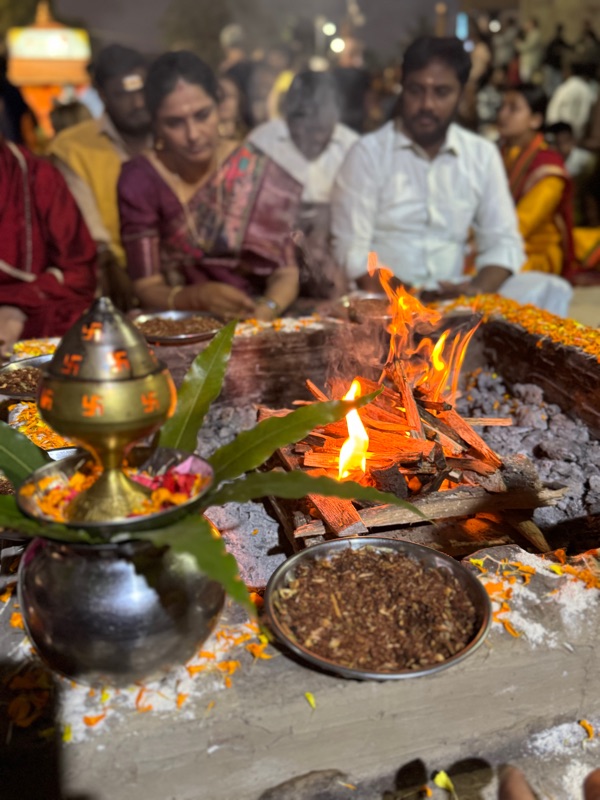
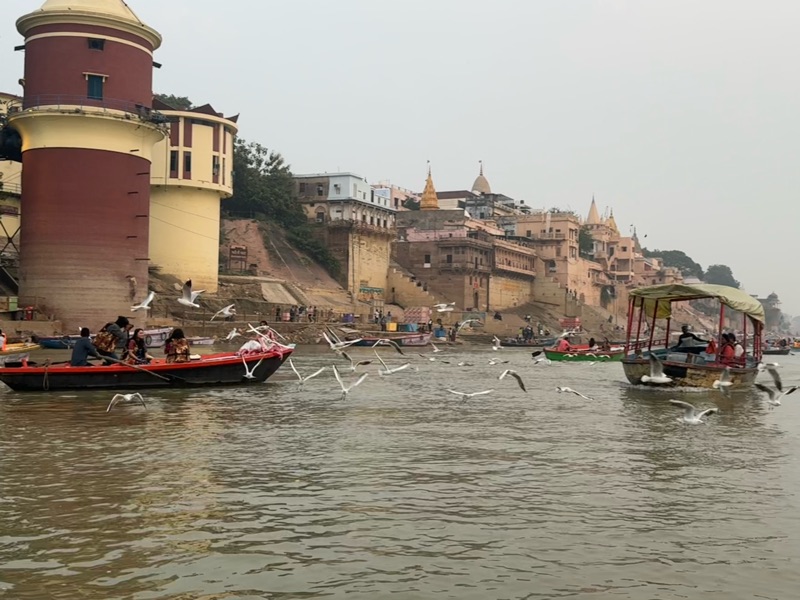
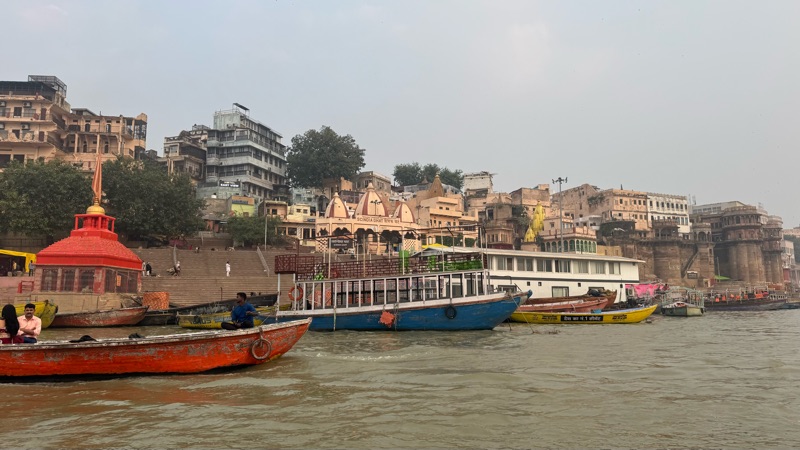
Along the river are stone steps called ghats. Some are used for bathing and prayer, while others are dedicated to cremation. Bodies are cremated in the open air using wood, including at Manikarnika Ghat, where a sacred flame is believed to have burned continuously for centuries. It is an extraordinary and somewhat overwhelming thing to witness. Death here is not hidden away as it often is in Western cultures. It is simply part of life.
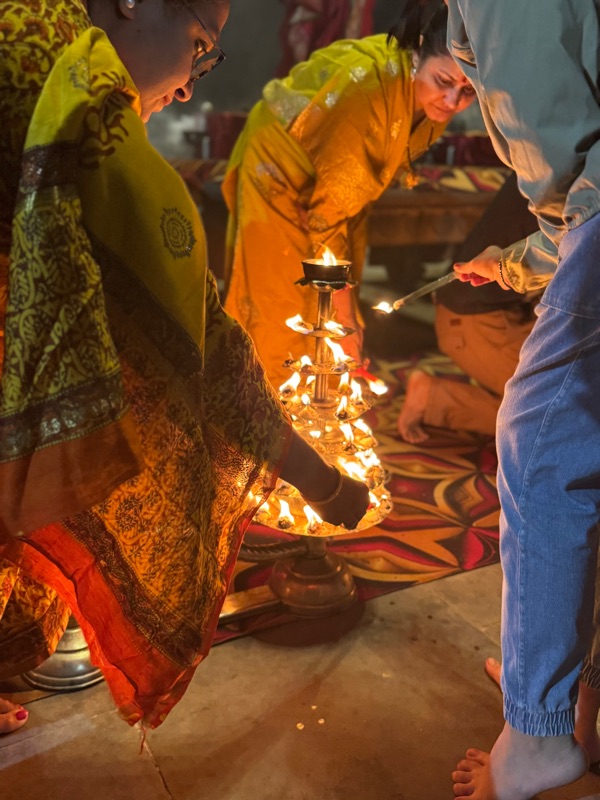
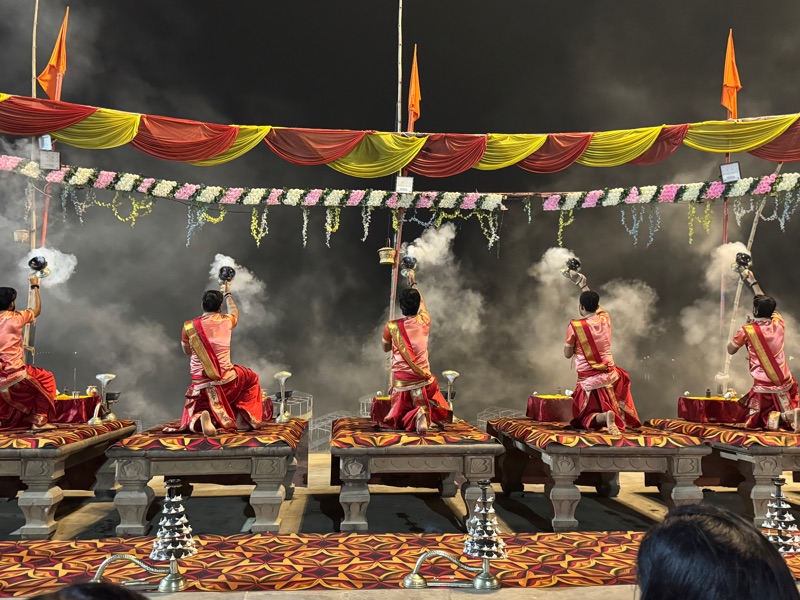
Every morning and evening, aarti ceremonies take place along the river, with priests performing rituals involving fire, chanting, music, and prayer. I happened to visit during Kartik, an especially sacred month, so the city was packed with pilgrims. Apparently, I was not the only one who thought November was a good time to visit!
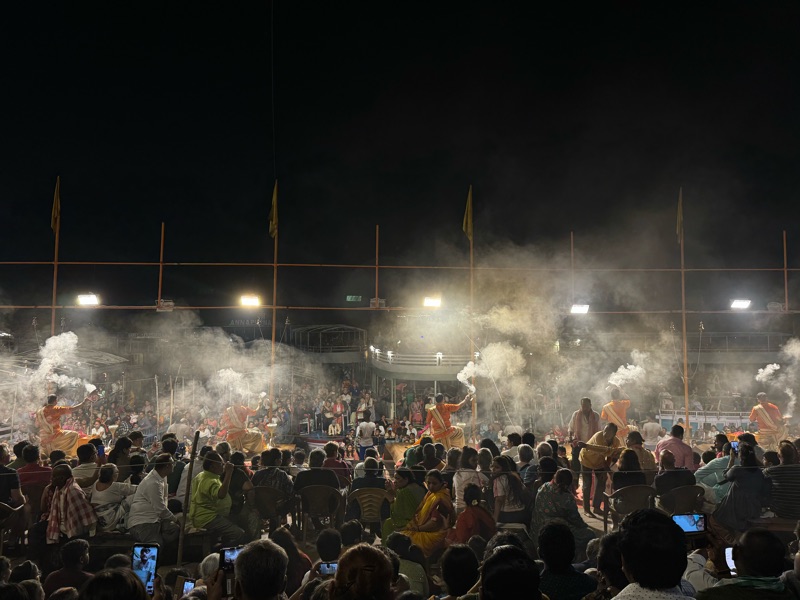
I spent half a day with a wonderful female guide, Jyoti, who helped me navigate the city and experience the ceremonies. We also took a boat ride along the Ganges, offering a fascinating perspective of the ghats.
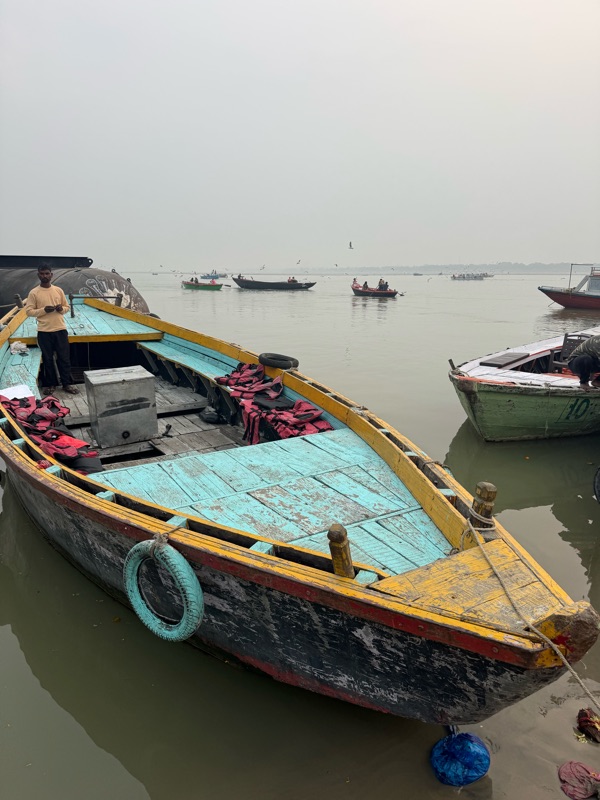
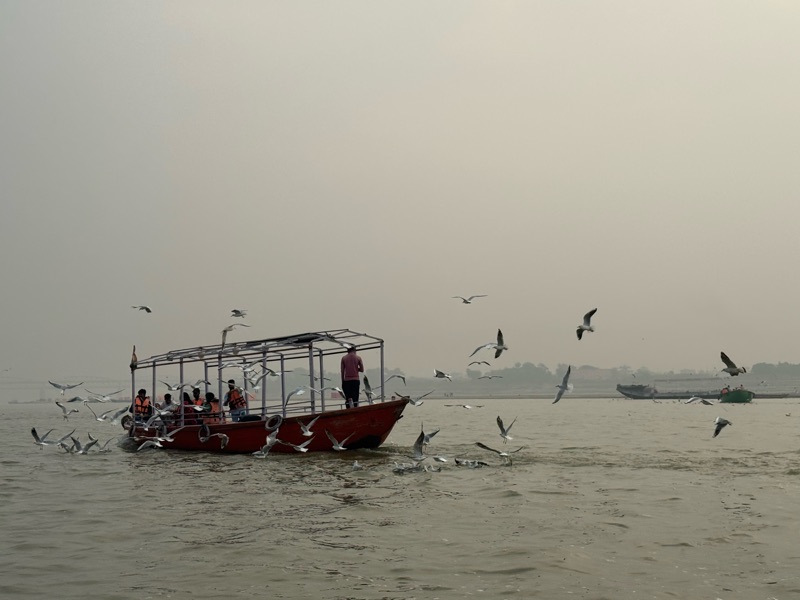
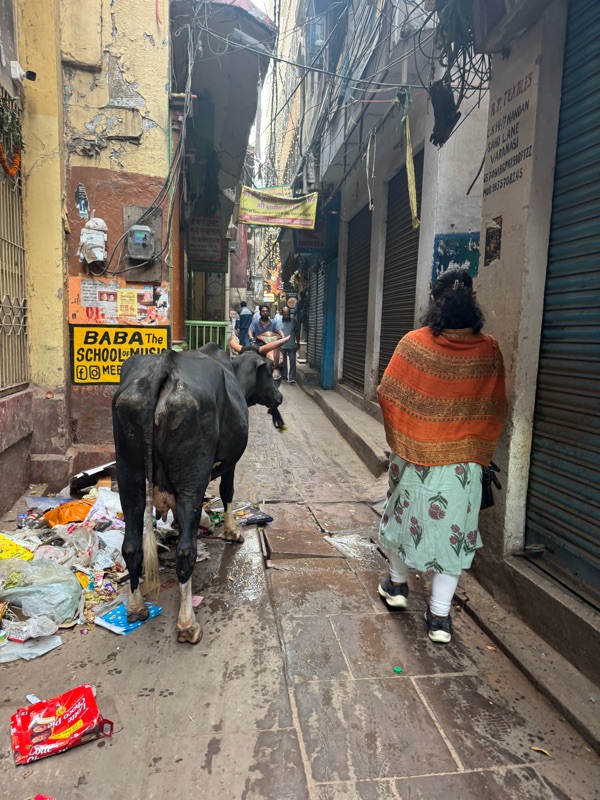
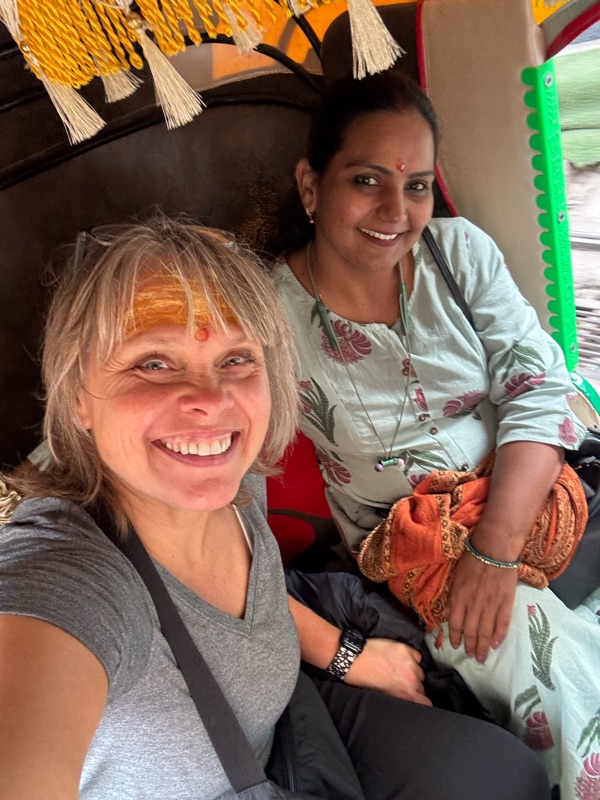
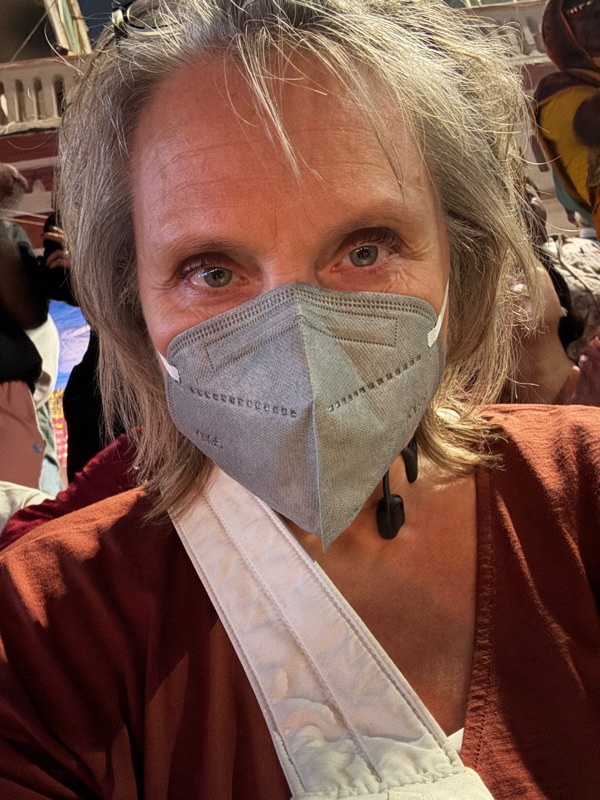
One thing I will not miss is the smoke. Between the cremations, ceremonial fires, and India’s already challenging air pollution, Varanasi was tough on the lungs. I wore my mask around the cremation areas and ceremonies. Frankly, I would have preferred to wear it everywhere, but as a solo Western woman, I already attracted enough attention without adding another accessory to the ensemble.
My favorite day, however, had nothing to do with the famous sights.
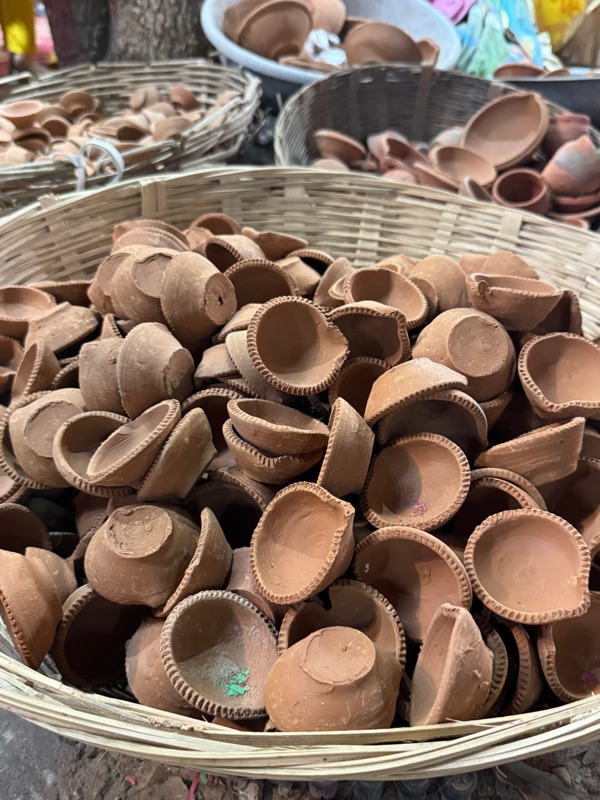
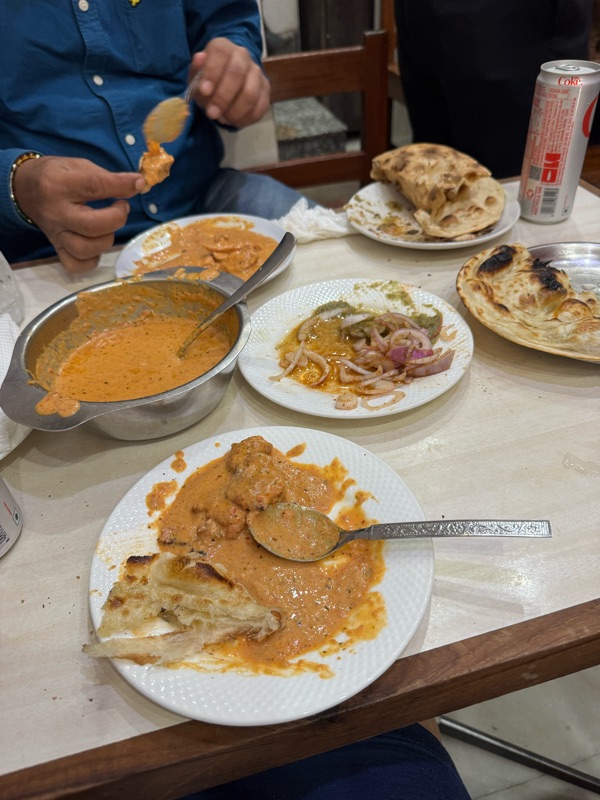
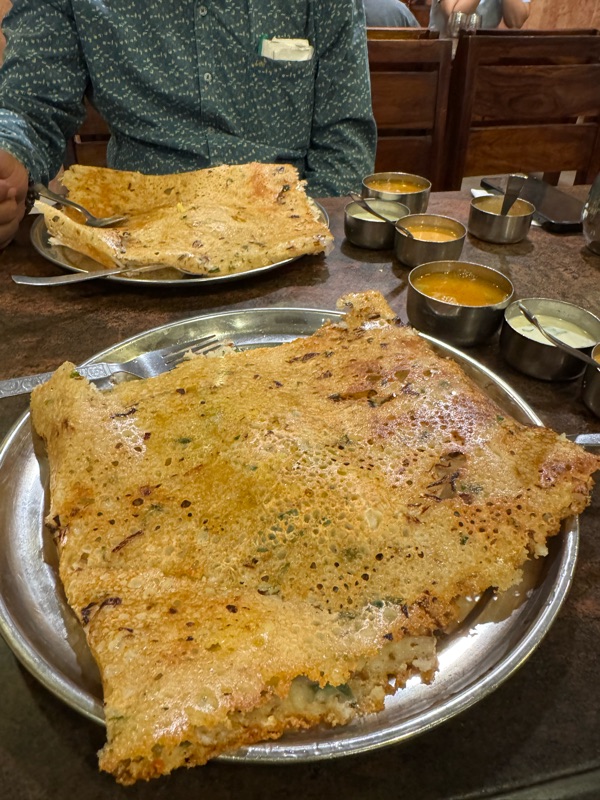
Jyoti invited me into her home, where I spent the day cooking with her and her two children. We prepared traditional dishes, shared stories, and enjoyed a glimpse of everyday family life in India. We also visited a nearby home where a family makes clay pots by hand.
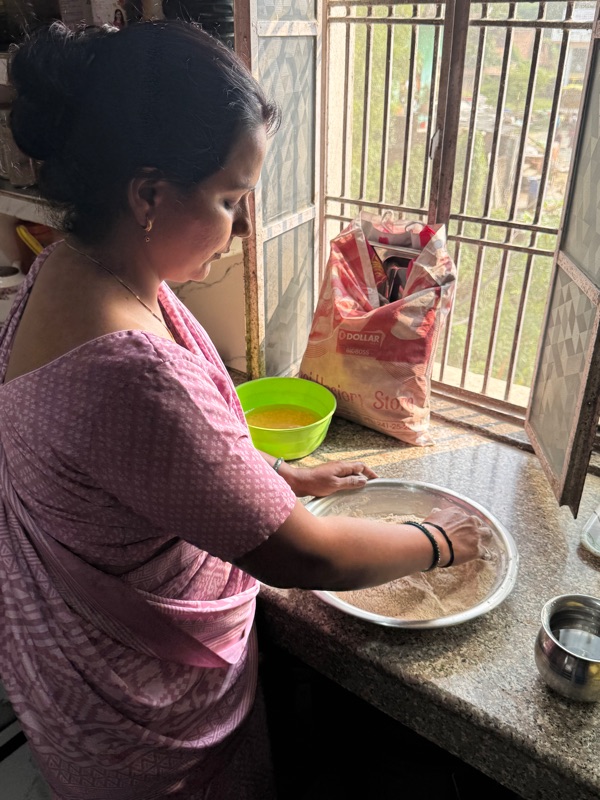
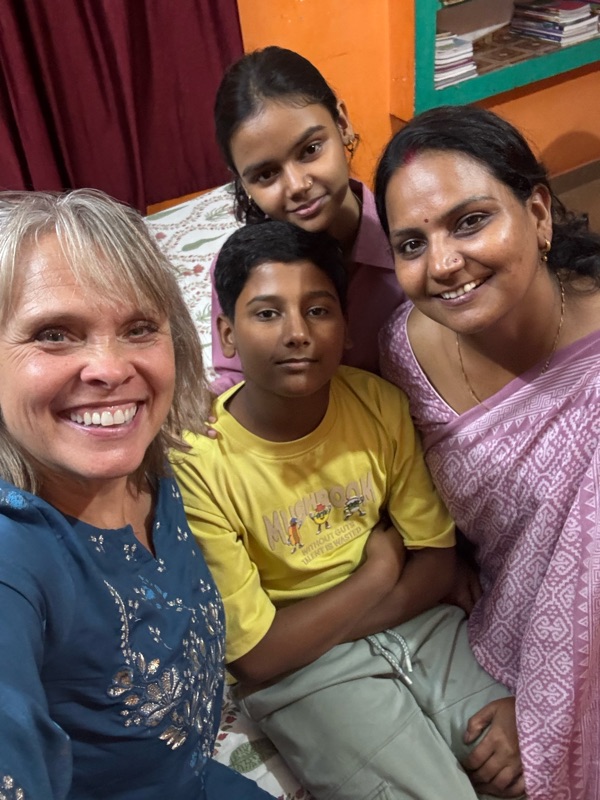
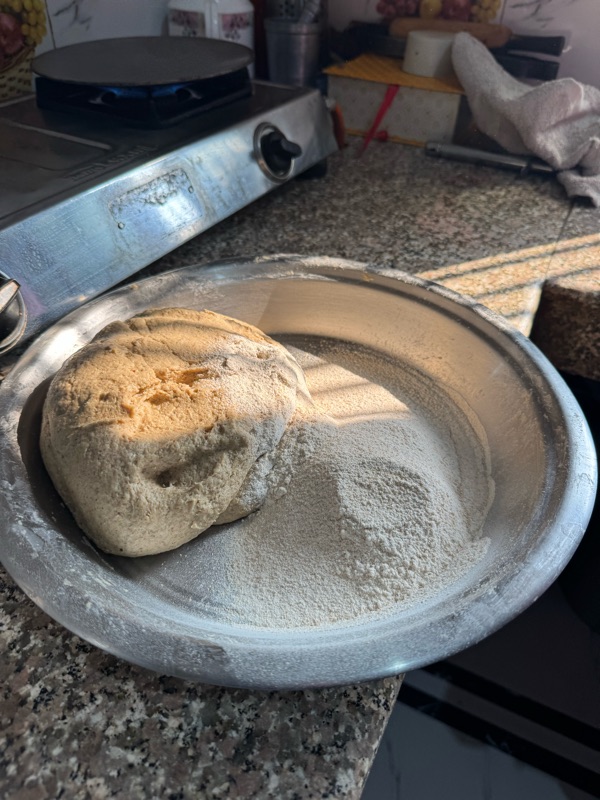
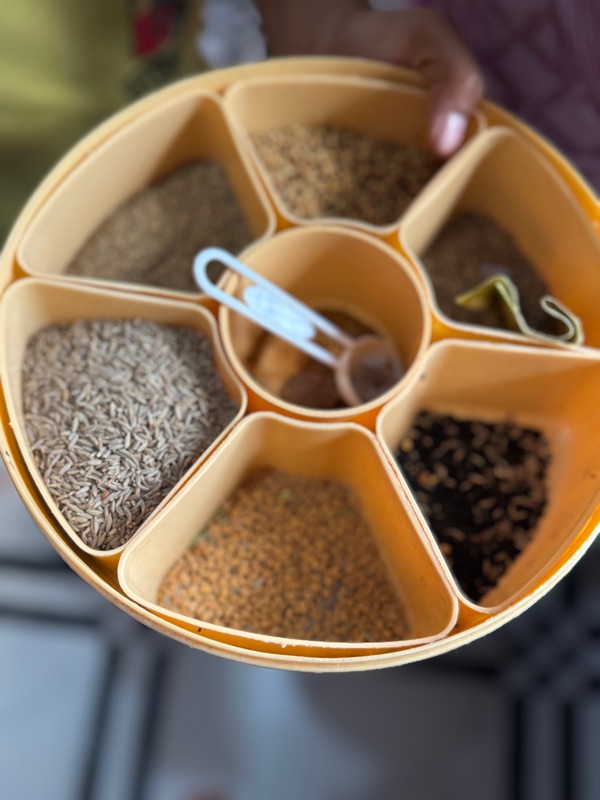
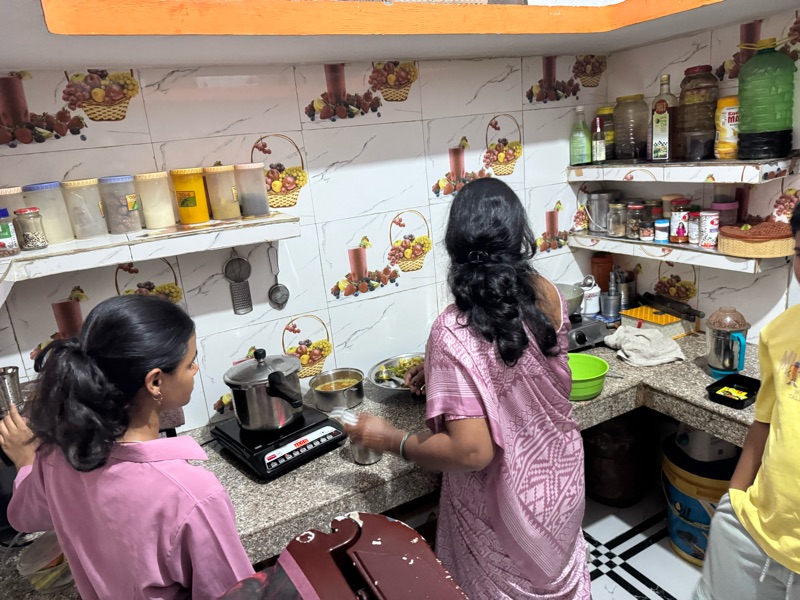
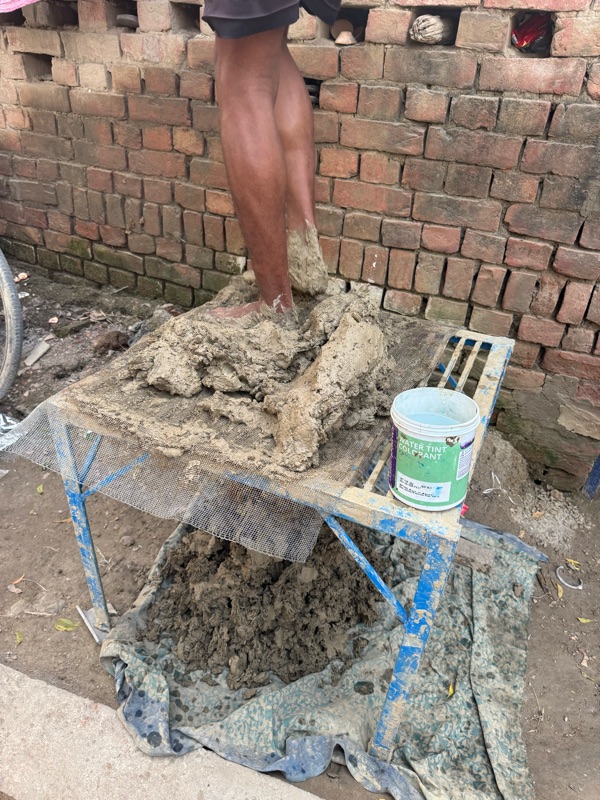
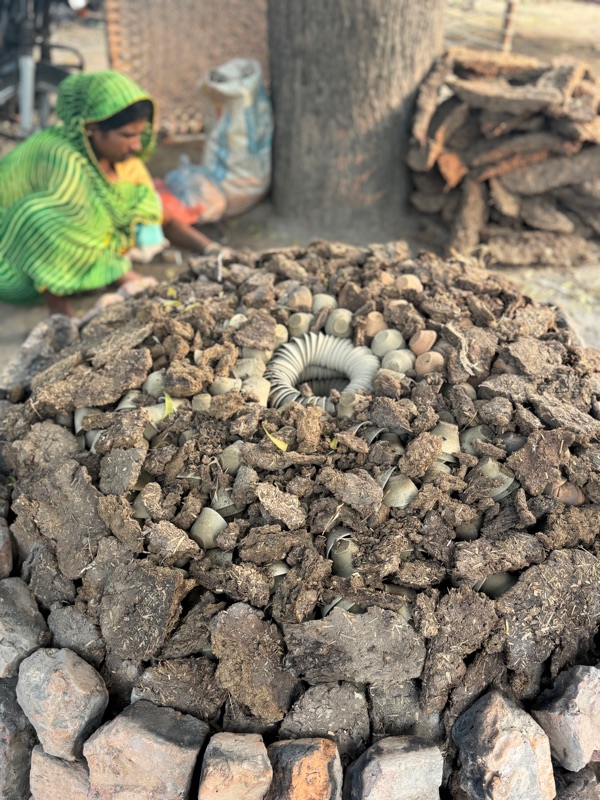
The simplicity of their living conditions was striking. It was a reminder of how differently people live around the world and how much we in the West take for granted. Experiences like this are why I love traveling. You learn far more sitting in someone’s kitchen than you ever will checking another monument off a list.
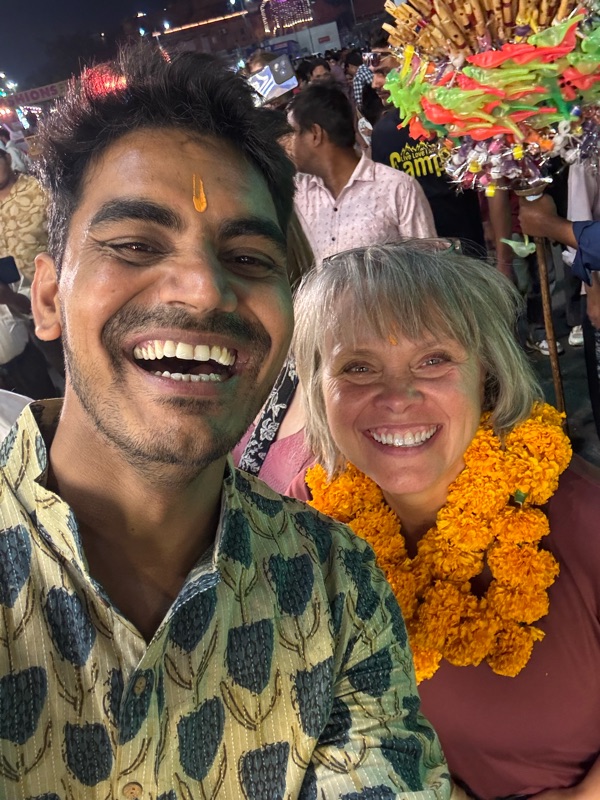
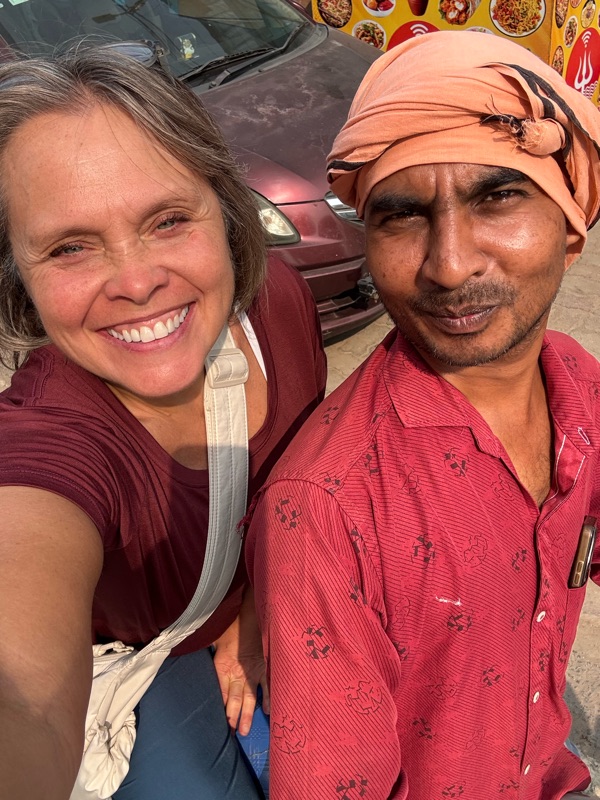
Walking around Varanasi was not as stressful as other cities I visited. Surprisingly, I was approached and hassled less often than in some of the other cities. It was nice to feel like a fairly normal tourist for a change, although I am pretty sure nobody mistook me for a local! Here I am after a motorcycle ride (which requires a strong core in India!)
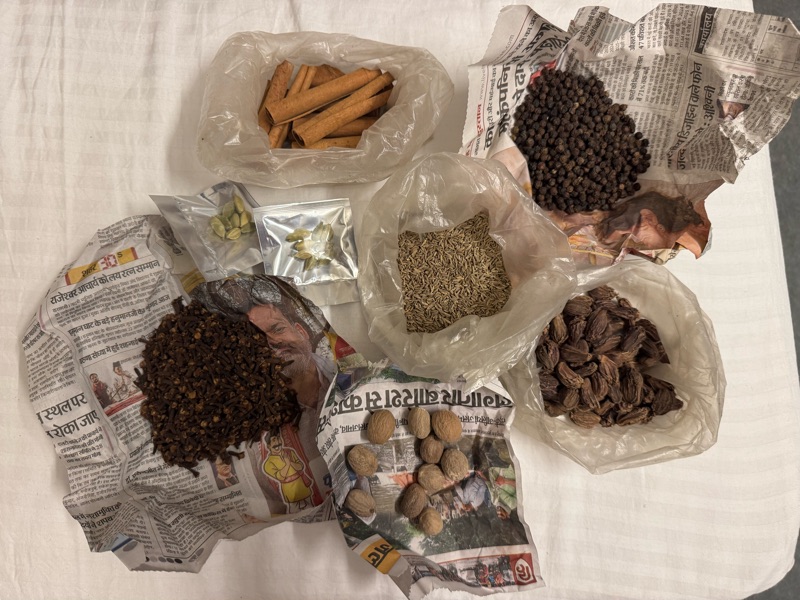
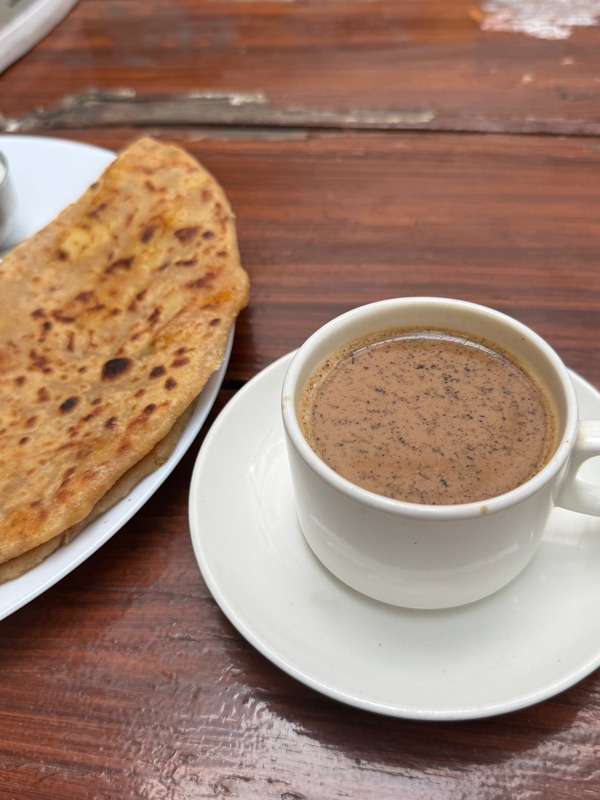
Of course, I couldn’t leave India without shopping for more spices. Jyoti helped me select some favorites, and I am determined to recreate a few of the dishes at home. I have developed an addiction to masala tea.
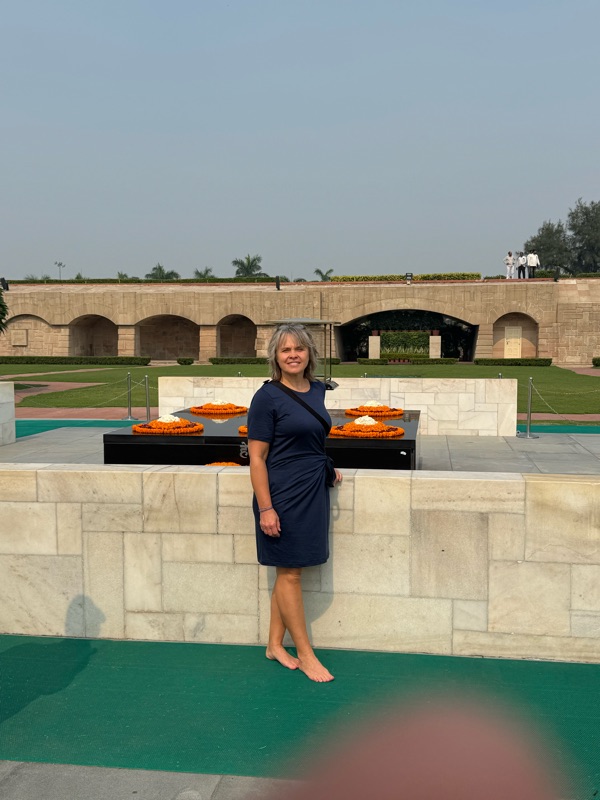
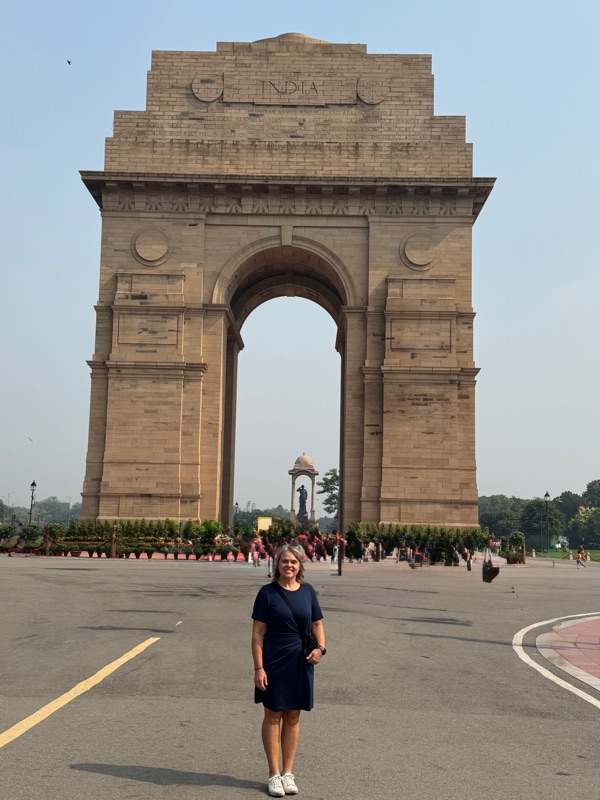
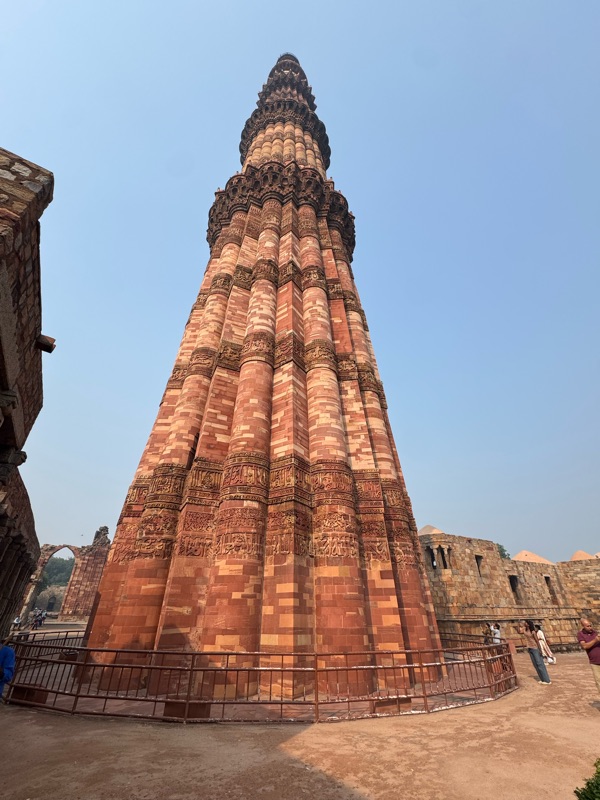
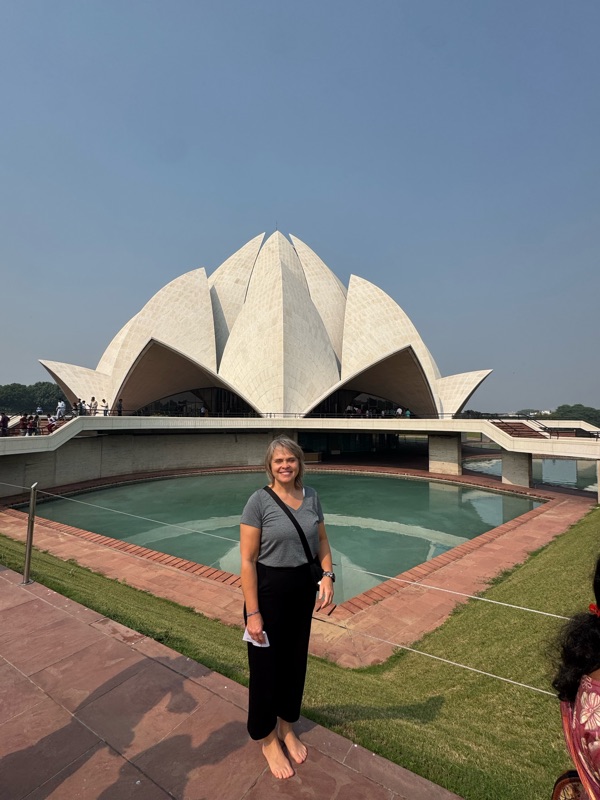
Now it is back to Delhi for a couple of days and then I return home to the Netherlands.
India has been fascinating, beautiful, chaotic, smoky, delicious, and occasionally exhausting. It has challenged some of my assumptions and reminded me why I keep traveling.
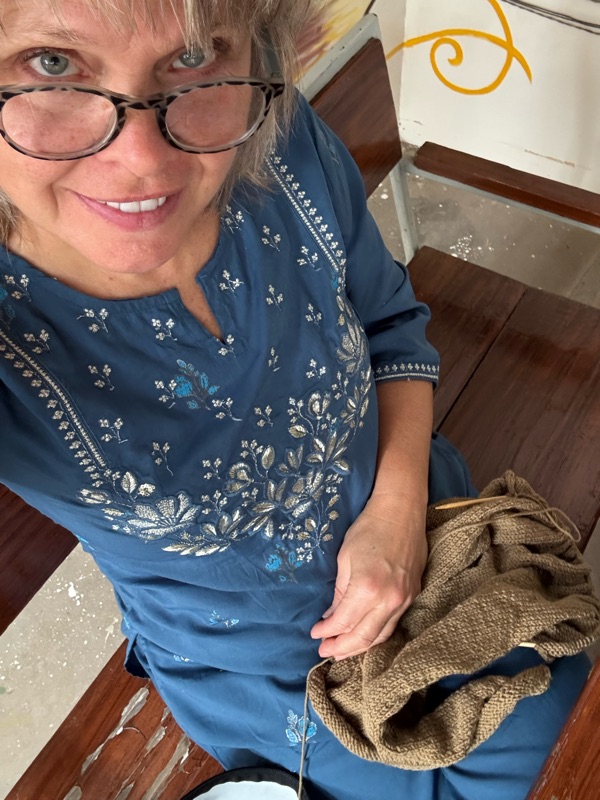
I have spent a ton of time knitting during my free time, of which I have had lots.
After all these incredible experiences, I am also very much looking forward to my own bed, clean air, and a little peace and quiet!